Anti-Inflammatory Foods for Recovery
Discover the most effective nutrition strategies to support your body's natural recovery process. Explore evidence-based food choices that help reduce inflammation and promote athletic performance.
Food Categories
Filter by category to explore specific anti-inflammatory food groups and their nutritional benefits for athletic recovery.
Comprehensive Anti-Inflammatory Food Guide
Blueberries & Wild Berries
Rich in anthocyanins and polyphenols, berries are powerful antioxidants that combat exercise-induced inflammation. Their high vitamin C content supports collagen synthesis, essential for joint and connective tissue repair after intense training.
Read Full Article →Leafy Greens & Cruciferous Vegetables
Spinach, kale, and broccoli contain sulforaphane and kaempferol, compounds that reduce inflammatory markers in the blood. These nutrient-dense vegetables provide minerals like magnesium, crucial for muscle function and recovery.
Read Full Article →Turmeric & Ginger
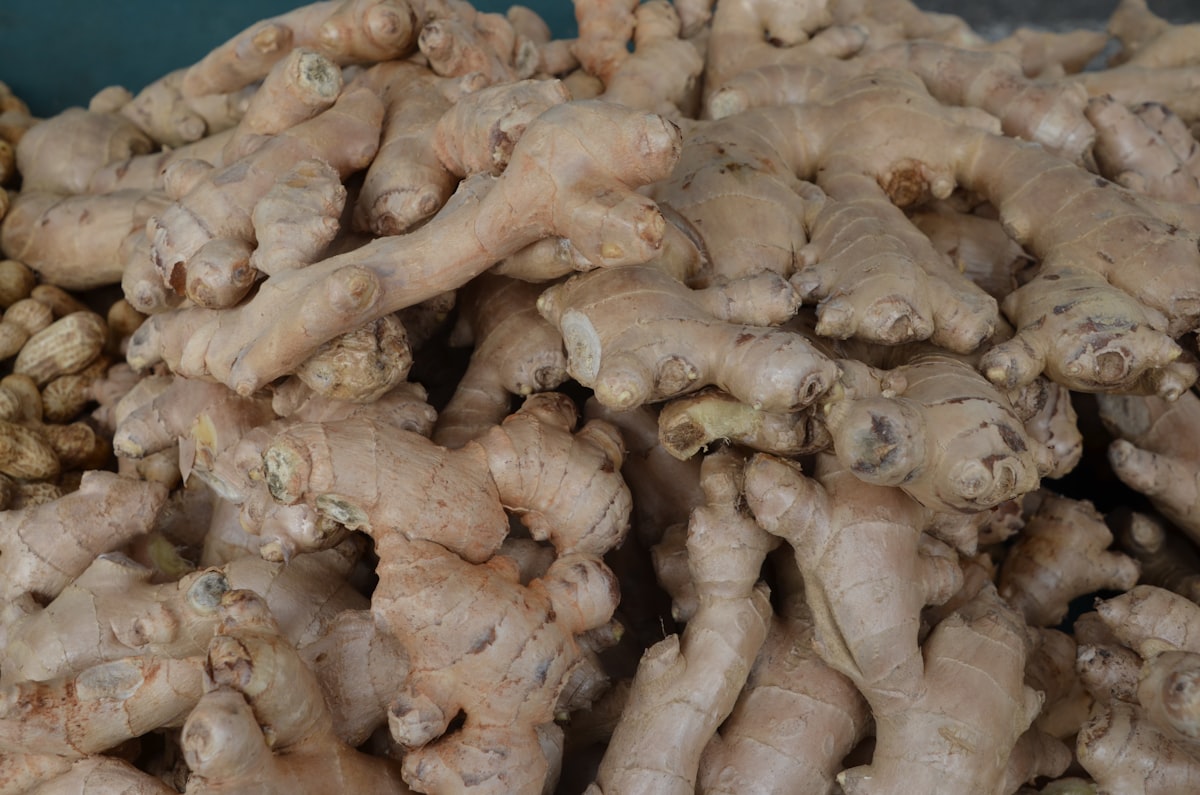
Curcumin in turmeric and gingerol in ginger are potent anti-inflammatory compounds. Studies show they reduce muscle soreness and accelerate recovery by modulating inflammatory pathways, making them ideal post-workout additions.
Read Full Article →Fatty Fish & Omega-3 Sources
Salmon, mackerel, and sardines are exceptional sources of EPA and DHA omega-3 fatty acids. These essential fats reduce pro-inflammatory cytokines and support cardiovascular health while facilitating muscle protein synthesis during recovery.
Read Full Article →Eggs & Lean Proteins
Eggs contain choline and lutein, nutrients that combat inflammation while providing complete amino acid profiles. Lean poultry and grass-fed beef offer bioavailable protein and iron without excessive inflammatory fat content.
Read Full Article →Extra Virgin Olive Oil & Nuts
Olive oil's polyphenols mimic anti-inflammatory drugs in their mechanism. Almonds, walnuts, and chia seeds deliver both omega-3 and omega-6 balance, supporting sustained energy and reducing systemic inflammation markers.
Read Full Article →Citrus & Pomegranate
Citric acid and flavonoids in oranges, lemons, and limes enhance iron absorption and boost immune function. Pomegranate contains punicalagins, showing remarkable ability to reduce inflammatory markers post-exercise.
Read Full Article →Honey & Natural Sweeteners
Raw honey provides trace minerals and bee pollen, supporting natural recovery processes. Its lower glycemic load compared to refined sugar helps maintain stable inflammation levels during training cycles.
Read Full Article →Why Inflammation Management Matters in Athletic Recovery
Intense training creates micro-tears in muscle tissue and triggers acute inflammatory responses. While this inflammation is part of the adaptation process, excessive or prolonged inflammation delays recovery, increases injury risk, and compromises performance gains.
Strategic anti-inflammatory nutrition works synergistically with your body's natural repair systems. By providing bioavailable nutrients that modulate inflammatory pathways, anti-inflammatory foods accelerate tissue repair, reduce muscle soreness, and support consistent training progression.
Faster Recovery Window
Reduces delayed-onset muscle soreness and accelerates return to peak performance
Enhanced Adaptation
Supports muscle protein synthesis and physiological adaptations from training stress
Injury Prevention
Protects connective tissues and reduces overuse injury risk through nutritional support
Consistent Performance
Maintains hormonal balance and immune function during heavy training phases
Recovery Nutrition Strategy Guide
Immediate Post-Workout Window (0–30 minutes)
Consume fast-digesting carbohydrates with complete protein and antioxidant-rich food. A smoothie combining Greek yogurt, banana, berries, and coconut oil optimizes inflammatory response and initiates glycogen restoration. This timing maximizes nutrient utilization when muscle protein synthesis is elevated.
- Smoothie bowls with protein and antioxidant fruits
- Rice cakes with almond butter and berries
- Chocolate milk with natural sweeteners
Secondary Meal (1–3 hours post-workout)
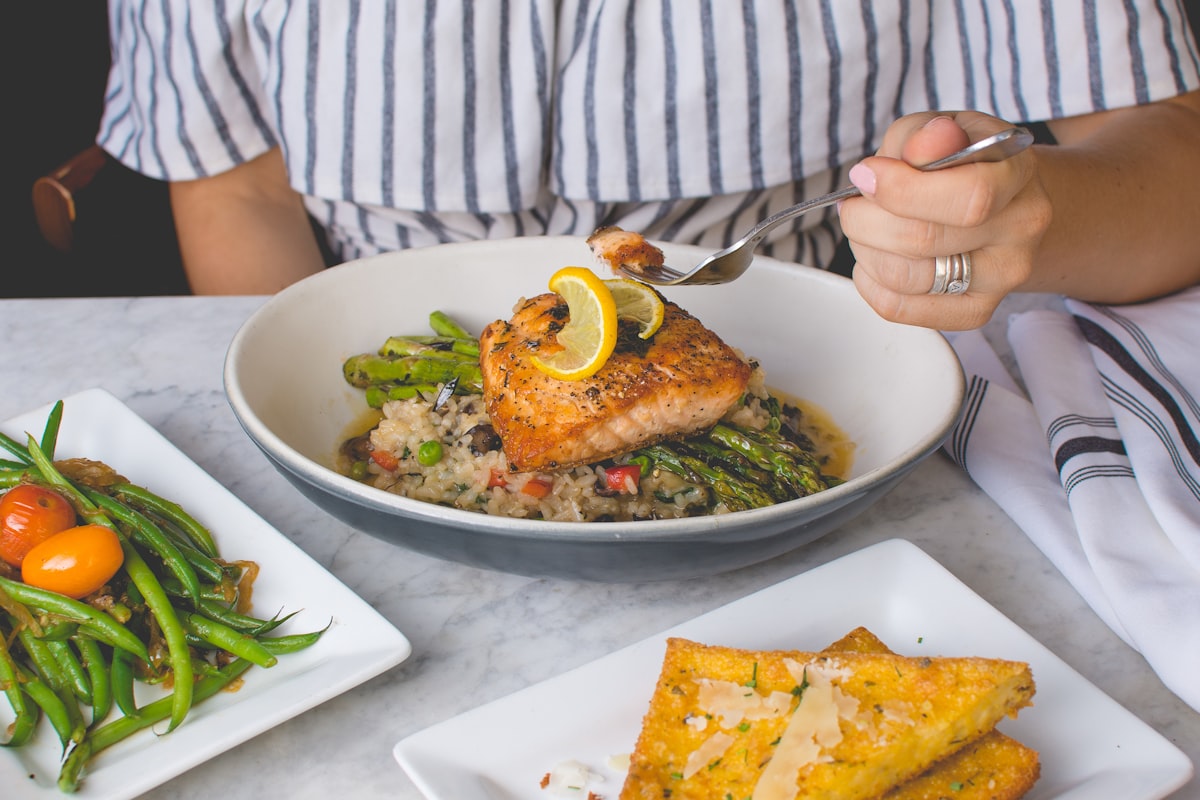
Prepare balanced meals combining lean proteins, whole grains, and abundant colorful vegetables. Grilled salmon with sweet potato and roasted broccoli provides omega-3 fatty acids, resistant starch, and phytonutrients. This composition sustains protein synthesis while controlling systemic inflammation.
- Salmon with quinoa and leafy greens
- Turkey breast with wild rice and roasted vegetables
- Lentil-based dishes with olive oil drizzle
Daily Anti-Inflammatory Integration
Incorporate turmeric, ginger, and herbs into every meal. Morning golden milk with coconut oil enhances curcumin bioavailability. Evening meals benefit from ginger tea supporting digestion and inflammation modulation. Consistent polyphenol intake maintains protective antioxidant status.
- Golden milk with turmeric and black pepper
- Ginger-based herbal teas and broths
- Turmeric in curries and grain dishes
Long-Term Sustainability & Periodization
Align nutrition periodization with training intensity. During heavy training blocks, prioritize omega-3-rich foods and antioxidant density. During deload weeks, maintain baseline anti-inflammatory intake while allowing moderate flexibility. Seasonal eating patterns optimize available nutrients year-round.
- Heavy training phases with maximum antioxidant density
- Seasonal adjustment of available produce
- Recovery phase emphasis on foundational foods
Food Preparation & Meal Ideas
Antioxidant Smoothie Bowls
Layered combinations of Greek yogurt, mixed berries, granola, and coconut flakes. Peak nutrient density for immediate post-workout absorption with sustained energy release.
Read Article →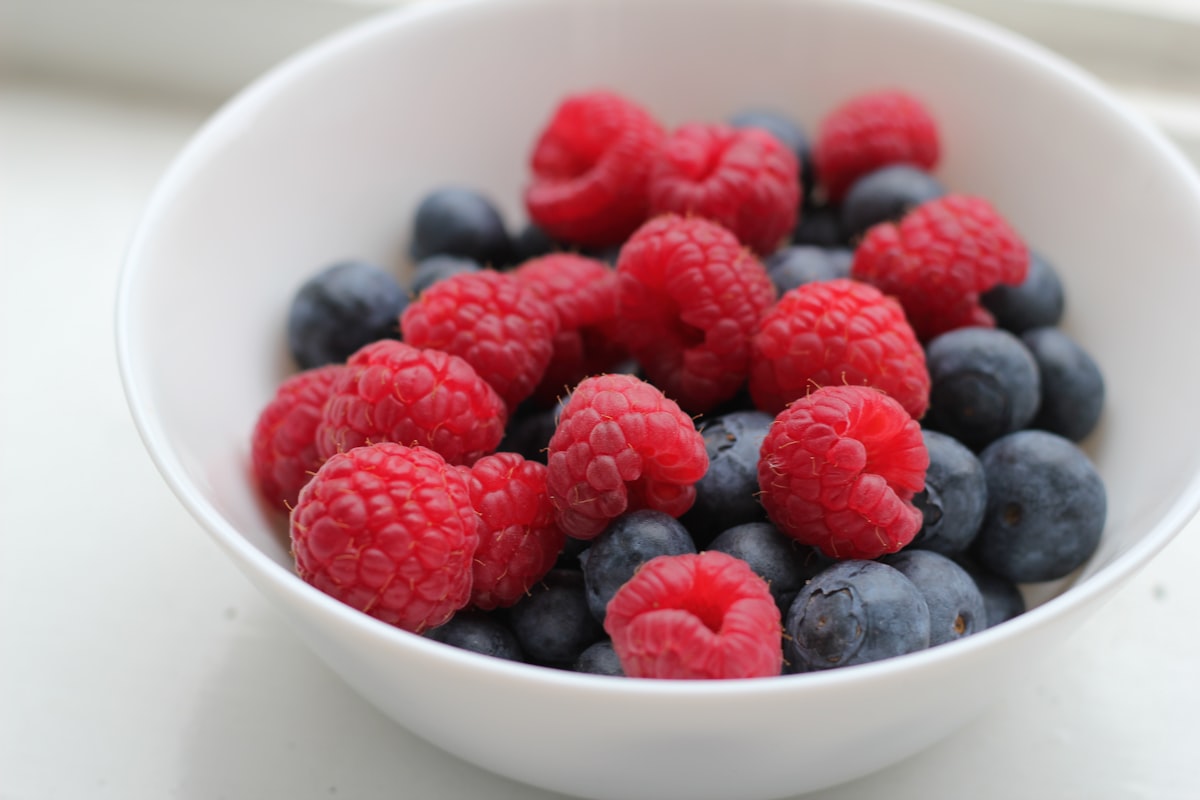
Mediterranean Protein Bowls
Wild salmon, quinoa, roasted vegetables, olives, and feta. Complete omega-3 profile combined with complex carbohydrates and bioavailable minerals for sustained recovery.
Read Article →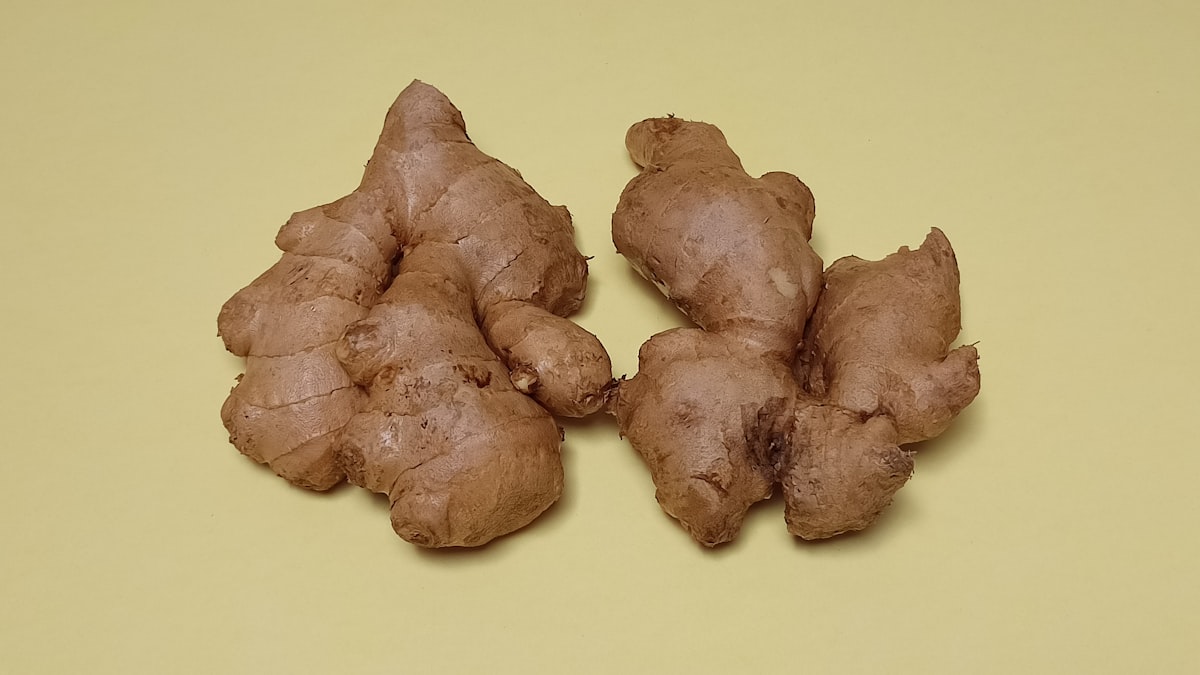
Golden Milk & Herbal Infusions
Turmeric, ginger, cinnamon, and black pepper combined with coconut milk. Traditional anti-inflammatory preparation optimized for modern athletic recovery needs.
Read Article →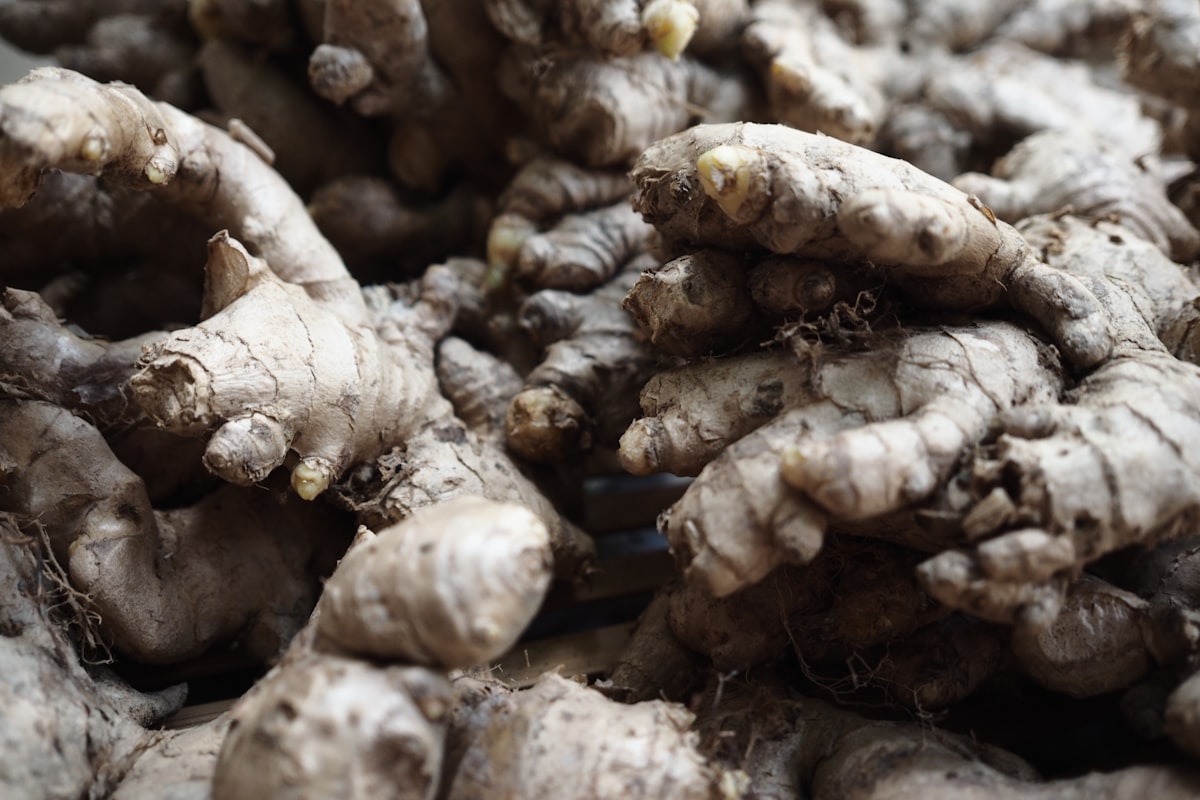
Beet & Pomegranate Elixirs
Fresh pressed juices combining beets, pomegranate, and citrus. Rich in betalains and polyphenols for vascular function and inflammation reduction during training phases.
Read Article →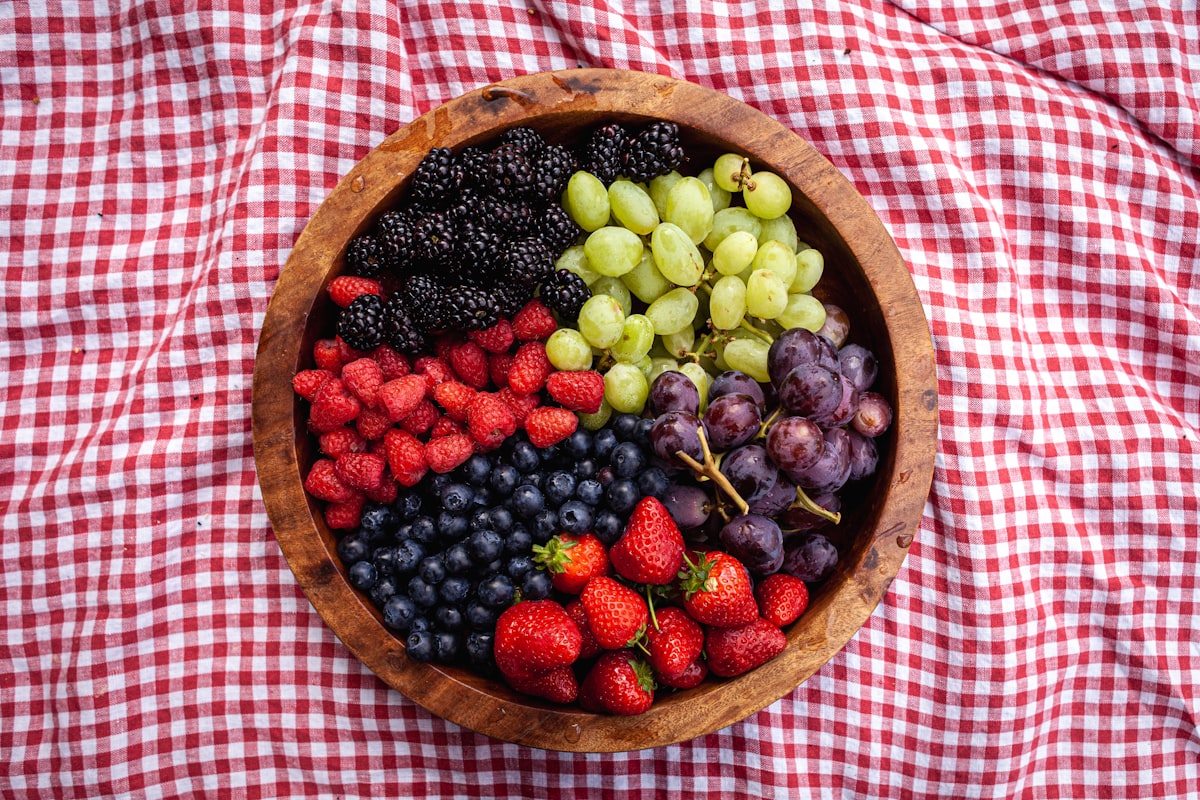
Herb-Crusted Lean Proteins
Grass-fed beef, pasture-raised poultry, and fresh-caught fish with rosemary, oregano, and thyme. Essential amino acids paired with aromatic compounds supporting recovery pathways.
Read Article →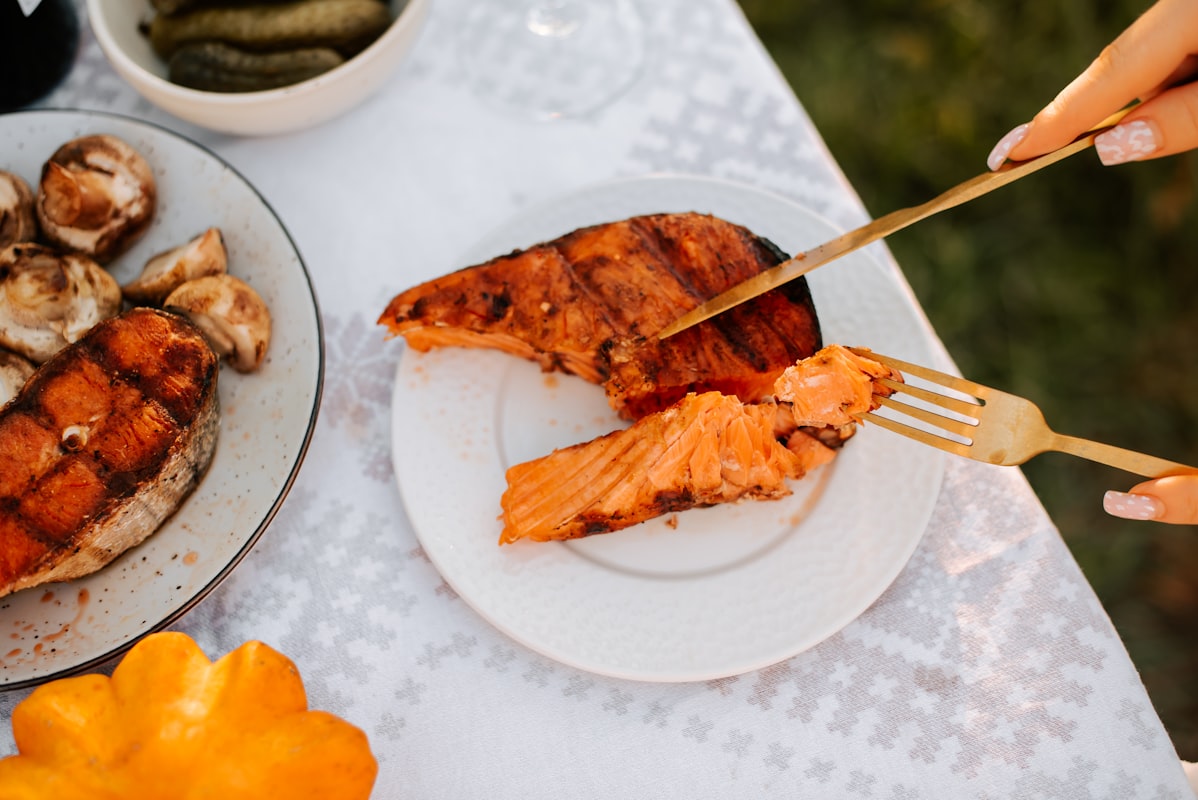
Nut & Seed Butters
Almond, walnut, and tahini preparations combined with raw cacao and dates. Portable nutrient-dense snacks providing sustained anti-inflammatory fats and magnesium for recovery.
Read Article →