Anti-Inflammatory Foods: Your Path to Faster Recovery
Discover how strategic nutrition accelerates healing and reduces recovery time through science-backed food choices.
Recovery by the Numbers
Report faster muscle recovery with anti-inflammatory nutrition
Powerful anti-inflammatory foods to incorporate into your routine
Measurable reduction in soreness with proper food selection
Decrease in recovery time when combining foods strategically
Why Inflammation Slows Healing
Inflammation is your body's natural response to exercise and injury. However, excessive or prolonged inflammation can delay muscle repair, increase soreness, and extend recovery time significantly. When inflammatory markers remain elevated, your body struggles to complete the healing process efficiently.
Strategic anti-inflammatory nutrition works by reducing pro-inflammatory compounds in your bloodstream, allowing your immune system to focus on genuine repair rather than fighting unnecessary inflammation. This targeted approach accelerates protein synthesis, reduces muscle breakdown, and promotes faster return to training.
The key is understanding which foods actively suppress inflammatory pathways versus those that trigger them. By making informed choices at every meal, athletes and active individuals can dramatically compress their recovery timeline and feel better between training sessions.
Essential Anti-Inflammatory Foods
 New
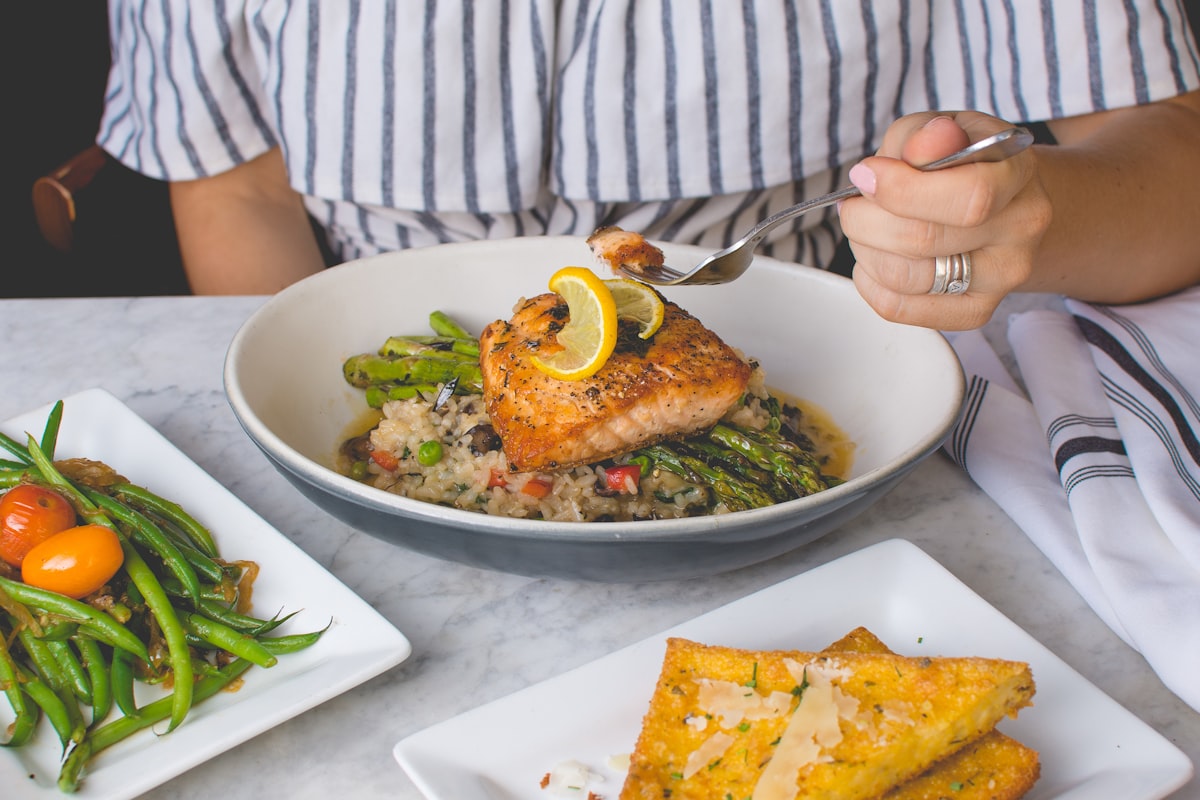
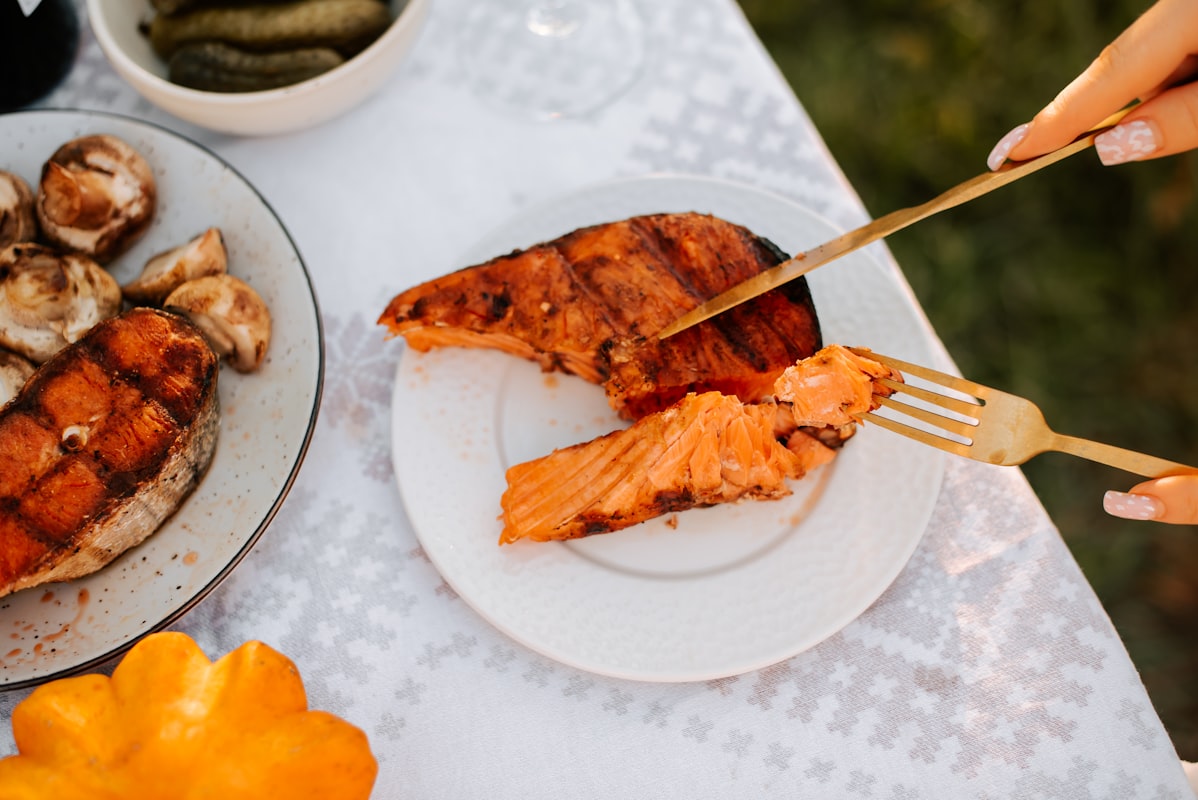
NewFatty Fish & Omega-3s
Salmon, sardines, and mackerel contain EPA and DHA—potent anti-inflammatory compounds that reduce joint pain and accelerate muscle repair. These omega-3 fatty acids actively suppress inflammatory cytokines and support cardiovascular health during intense training phases.
Optimal intake: 2-3 servings weekly | Contains bioavailable omega-3s
 Recommended
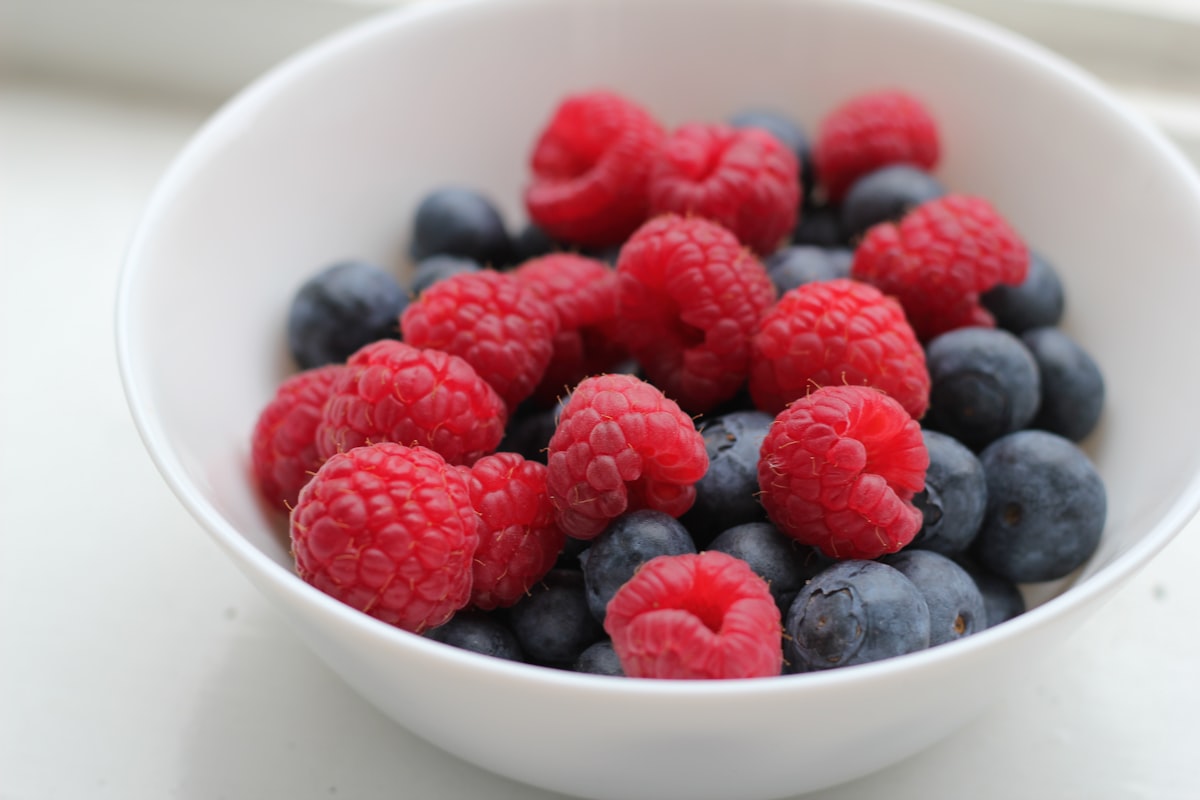
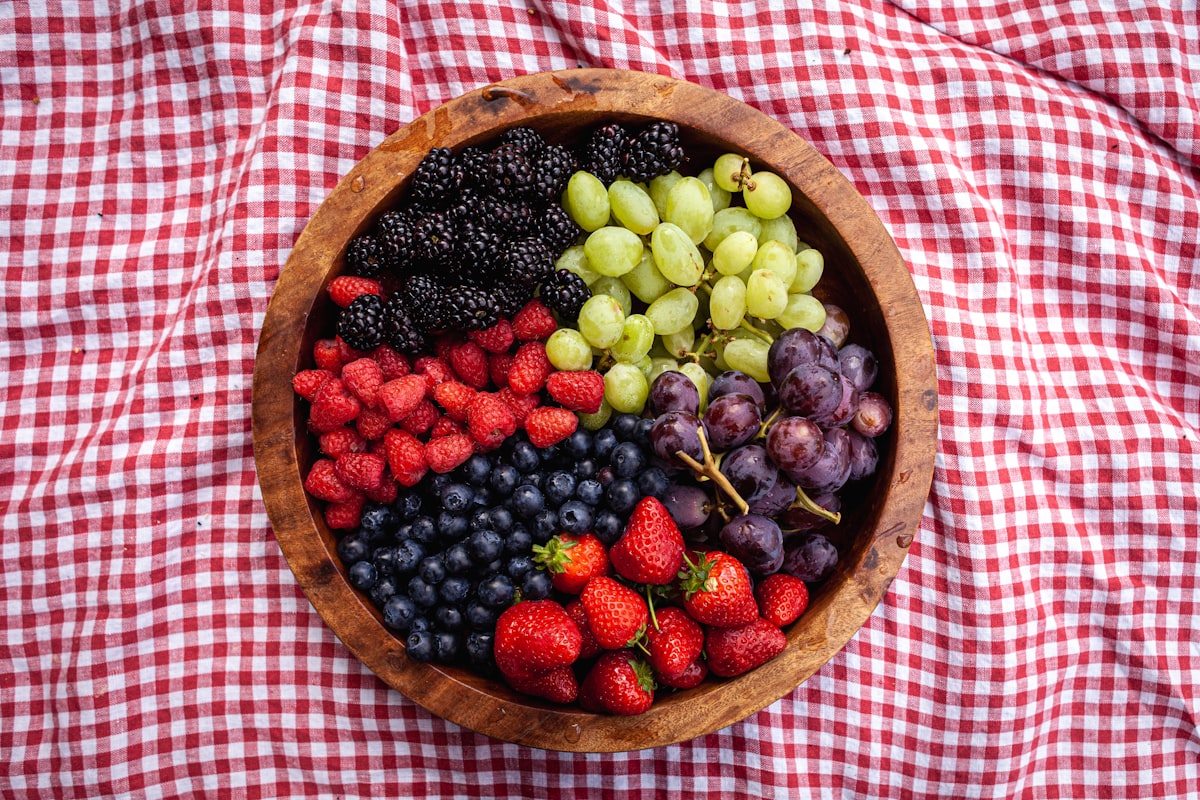
Berries & Antioxidants
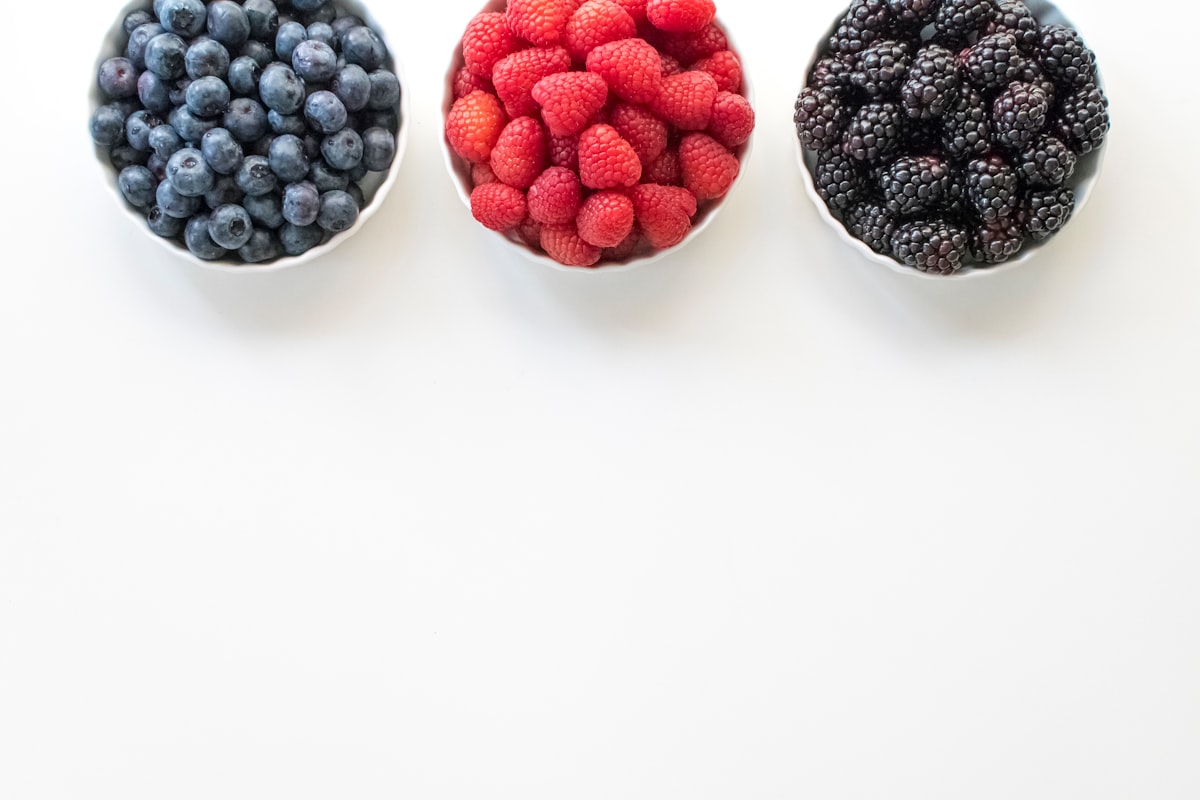
Blueberries, blackberries, and raspberries deliver anthocyanins and polyphenols that neutralize free radicals created during intense exercise. These compounds are among nature's most potent anti-inflammatory agents, directly supporting cellular recovery and reducing exercise-induced inflammation.
Optimal intake: 1-2 cups daily | High antioxidant capacity
 Featured
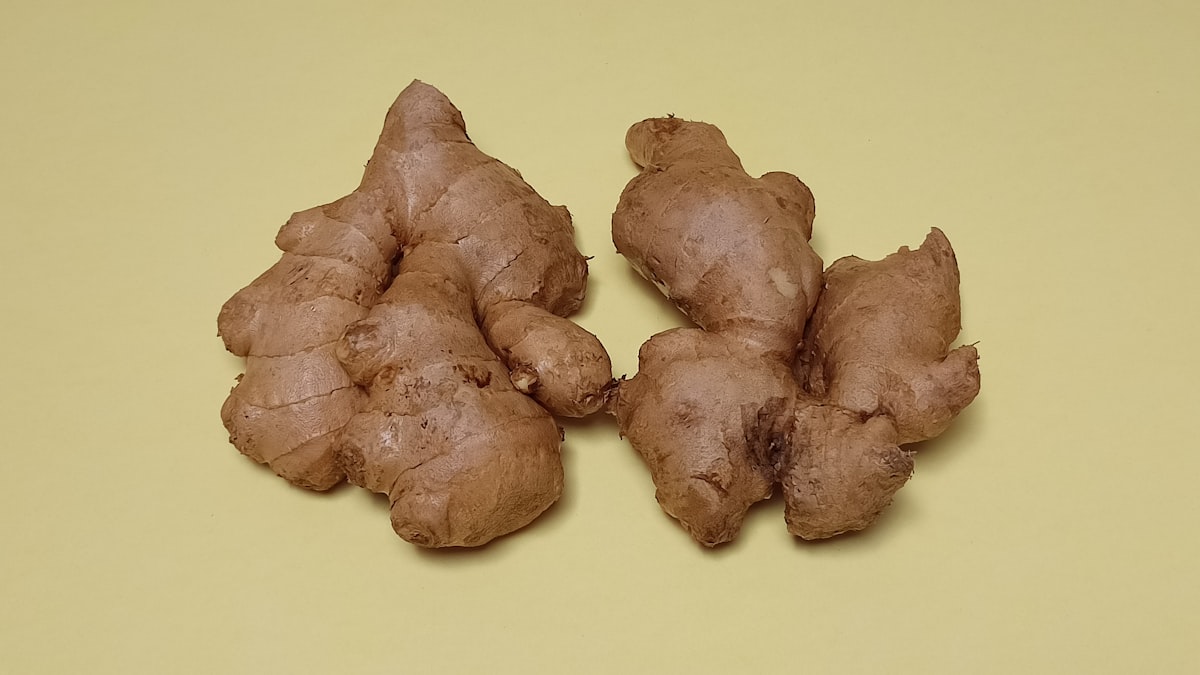
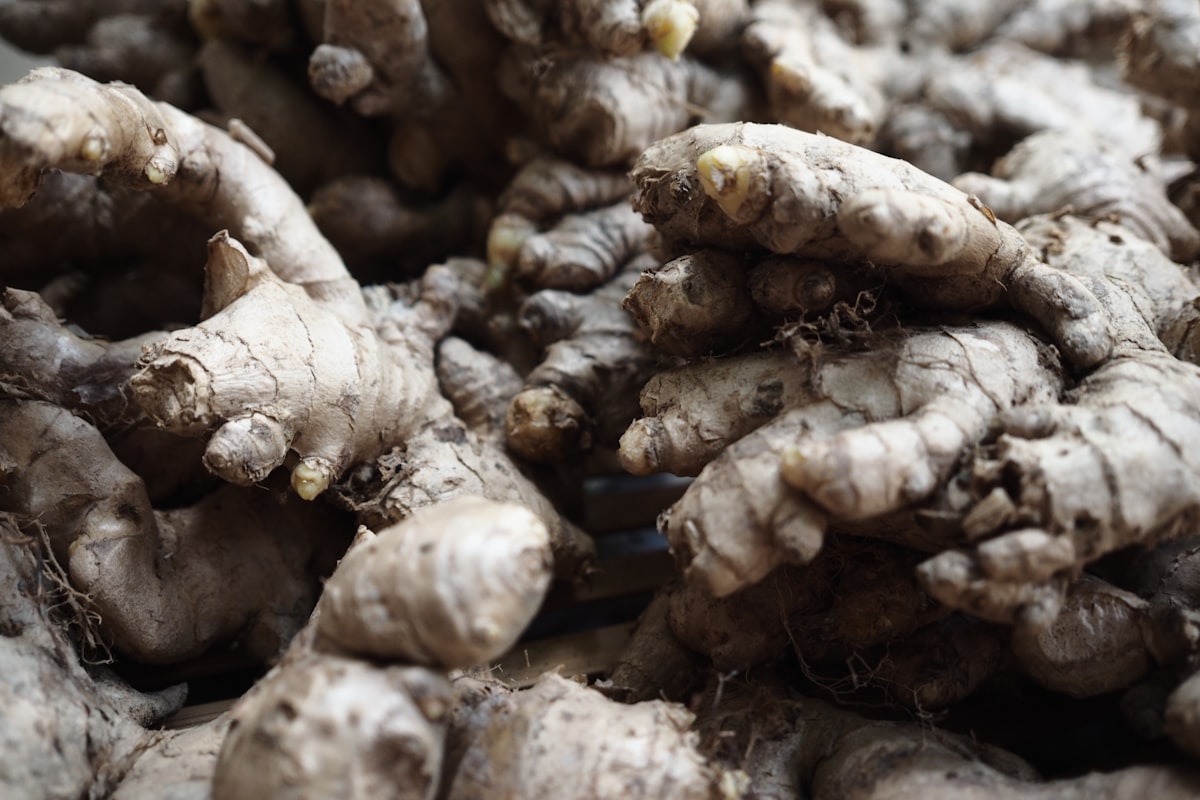
Turmeric & Curcumin
Curcumin, turmeric's active compound, rivals many anti-inflammatory foods in effectiveness. It blocks inflammatory molecules directly at the cellular level, reduces joint soreness, and has been extensively studied for supporting athletes' recovery from intense training loads.
Optimal intake: ½ teaspoon daily with black pepper | Bioavailability enhanced by fats
 Popular
Leafy Greens & Cruciferous Vegetables
Spinach, kale, broccoli, and Brussels sprouts contain vitamin K and sulforaphane, which suppress inflammatory pathways and promote cellular detoxification. These nutrient-dense foods provide essential vitamins for collagen synthesis and tissue repair while fighting inflammation systematically.
Optimal intake: 2-3 servings daily | Rich in phytonutrients
 Editor's Choice
Extra Virgin Olive Oil
Cold-pressed olive oil contains oleocanthal, a compound structurally similar to anti-inflammatory medicines. It protects against inflammatory damage while providing heart-healthy monounsaturated fats that support hormone production and cellular function during recovery windows.
Optimal intake: 1-2 tablespoons daily | Use cold/drizzled, not heated
Nuts, Seeds & Plant Proteins
Almonds, walnuts, chia seeds, and hemp seeds deliver anti-inflammatory fats alongside magnesium and polyphenols. These foods support muscle protein synthesis while actively reducing inflammatory markers, making them ideal recovery-focused snacks for athletes.
Optimal intake: 1-2 ounces daily | Portable recovery option
Key Benefits of Anti-Inflammatory Nutrition
Accelerated Muscle Recovery
Anti-inflammatory foods reduce delayed-onset muscle soreness (DOMS) by suppressing pro-inflammatory cytokines. Athletes report noticeably faster recovery between training sessions, enabling higher training frequency and better adherence to periodized programs.
Joint Health & Longevity
Chronic inflammation damages cartilage and connective tissue. Anti-inflammatory nutrition actively protects these structures, reducing long-term injury risk and supporting joint health across decades of training and active living.
Enhanced Cognitive Recovery
Brain inflammation from intense exercise impairs decision-making and motivation. Anti-inflammatory foods support neuroinflammation reduction, improving mental clarity, focus, and recovery-related decision-making during training phases.
Optimized Protein Synthesis
High inflammatory states suppress mTOR activation and muscle protein synthesis. Anti-inflammatory nutrition creates an optimal anabolic environment, maximizing gains from training stimulus and improving lean mass development.
Immune System Support
Excessive exercise creates temporary immune suppression. Anti-inflammatory foods strengthen immune resilience without triggering excessive inflammatory responses, reducing illness frequency during heavy training blocks.
Sustained Energy Levels
Inflammation increases fatigue signals and reduces energy availability. Anti-inflammatory nutrition stabilizes energy metabolism, sustains training performance, and promotes consistent motivation across training cycles.
Common Questions About Recovery Foods
Most athletes report noticeable improvements in soreness and recovery speed within 3-7 days of consistently incorporating anti-inflammatory foods. However, deeper benefits to joint health, connective tissue protection, and long-term inflammatory markers develop over 4-8 weeks. The foundation works fastest when combined with adequate sleep and strategic training periodization.
Real Recovery Stories
I was dealing with chronic joint pain from years of running. After incorporating turmeric, fatty fish, and leafy greens consistently for just four weeks, the soreness between runs diminished dramatically. I'm now training harder than ever without the lingering pain that used to derail my schedule.
As a competitive crossfit athlete, recovery was my biggest challenge. Switching to anti-inflammatory eating—especially fatty fish and berries—cut my recovery time in half. I went from needing three rest days to training quality-focused sessions every other day. My performance metrics are up across the board.
I'm not a competitive athlete—just someone who hikes regularly on weekends. The muscle soreness was affecting my work week. Adding anti-inflammatory foods to my routine has been transformative. I feel recovered by Monday and actually look forward to hiking without dreading the soreness.
Start Your Recovery Journey Today
Understanding anti-inflammatory foods is the foundation of intelligent recovery. Explore our detailed articles to build a personalized nutrition strategy that accelerates healing and supports your training goals.
Get Your Personalized Recovery Meal Plan
Every athlete's recovery needs differ based on training intensity, body composition goals, dietary preferences, and accessibility. Rather than generic meal plans, we provide detailed educational content to help you build a personalized approach rooted in anti-inflammatory science.
Our editorial resources guide you through identifying your inflammatory triggers, selecting the most powerful anti-inflammatory foods for your situation, and integrating them strategically into your existing routine. You'll gain the knowledge to make informed decisions about your recovery nutrition indefinitely.
Stay Updated With Recovery Insights
Get notified about new articles on anti-inflammatory nutrition and recovery science.